
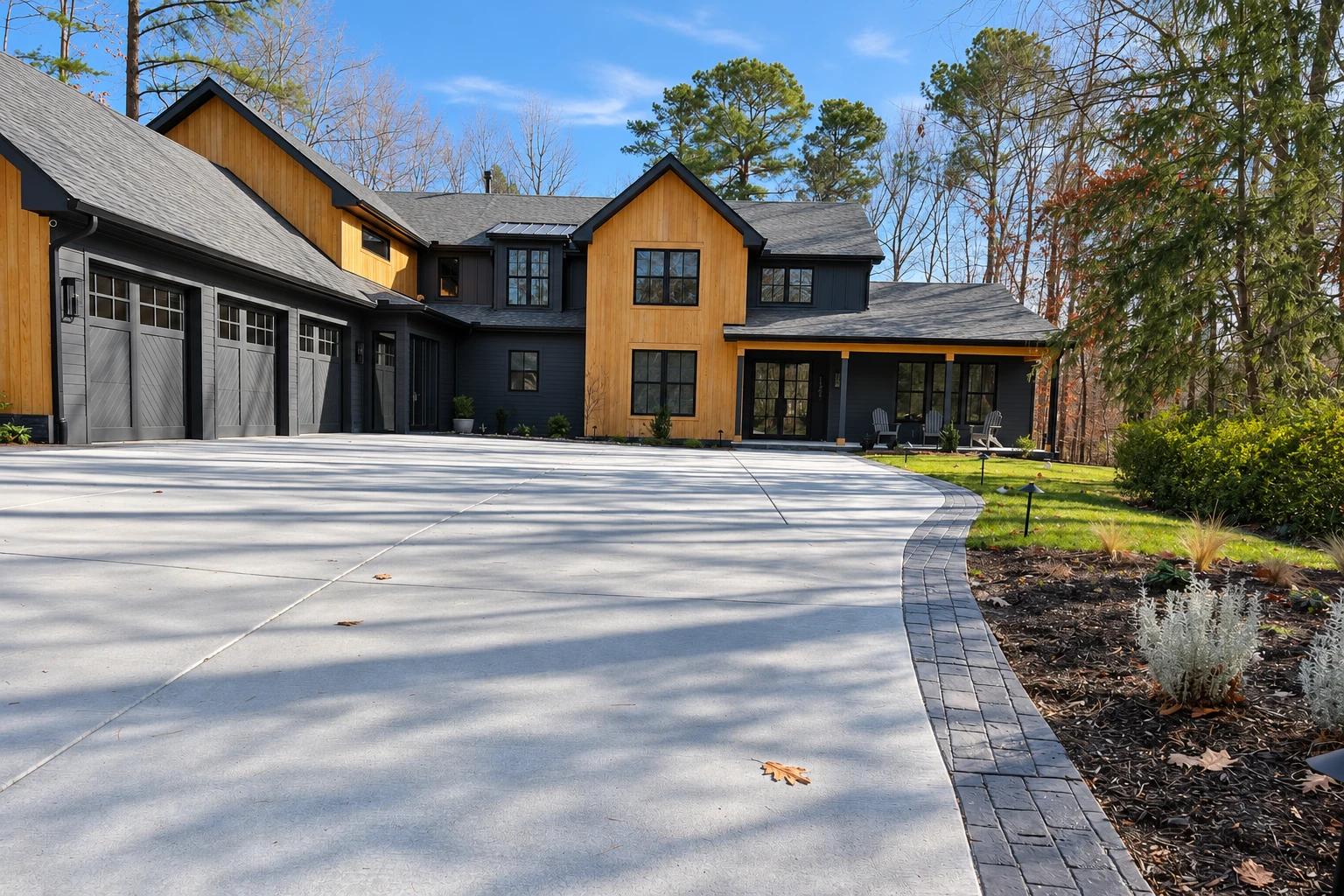
Foundation raising in Bluffton SC - a home that sits higher above floodwater
Watching storm water creep closer to your floors? We help you decide whether lifting your house fits, then plan the lift around how it's built.
Find out if your house can be raised
Call (843) 543-6810 or send the form, because I'd rather tell you early that a house isn't a good fit than plan a lift that won't hold up.
Should you raise your house in Bluffton?
Foundation raising in Bluffton lifts your whole house, often onto piles, so the lowest floor you live on sits higher above flood levels and floodwater is less likely to damage it over the years.
Most people who ask about raising a house have watched water get closer than they'd like, and they want to know whether a lift is worth the money and the time away. The price and the schedule turn on the same things, mostly how many stories the house has, whether it's wood frame or masonry, whether it sits on a crawlspace or a slab and how high it needs to go. I measure all of that at your house, and you get your own figure in a written estimate so you can weigh it.
Why Bluffton homeowners call Bluffton Concrete to raise a house
I measure, and I stay on site
I'm the one who comes out to measure, and our small crew does the work with me on site. I've run this business since 2020, so the person you meet answers for the work.
Fully insured while your house is up
We're licensed and fully insured, which matters when a house sits off its old foundation for part of the project. Ask to see the paperwork when I come out for the estimate.
Town or county, checked first
A Bluffton address can sit inside the Town of Bluffton or in unincorporated Beaufort County, and the town's zoning information shows which. We check yours before planning anything, so the permit step doesn't hold up the lift.
On a house lift, the planning matters more than anything you'll see afterward, so the first step is a look at yours. Ask for an estimate or call (843) 543-6810.
How our foundation raising works
Raising a house is a big decision, so I start with how your home is built and talk through the height, the space underneath and the time you'll spend away from it, and I'll point out the costs that sit outside our bid before you sign anything. From there our crew digs out and packs the ground where the new supports go, pours what the house will stand on and lets it cure, which means giving the concrete time to gain strength before it carries any weight. Then the house is set at the planned height and we clean up. That work below ends up hidden under the house, and it's the first place people want to save money, but I won't cut it, because everything you live in rests on it.
Most lifts touch other concrete around the house. If a patio, walk or garage slab is in the way, concrete cutting takes out just that piece, and once the house is up, concrete driveway building gives you a drive that meets the new parking space underneath.
A lift to clear flood levels
This suits a house that only needs to clear flood levels with some margin, since the steps and porch stay closer to the yard and the work stays simpler.
Raising a full story
When a house needs to go up more than four feet, guidance suggests considering a full story instead. You gain more protection and room to park or store things underneath.
How do you know your house sits too low?
Water under the house
Standing water in the crawlspace after a storm usually means floodwater already reaches your foundation. Each time it sits there, the framing and anything stored down there take more damage.
High water at your steps
If storm water has come up the yard to your steps, your floor sits close to where floods reach. A bigger storm can carry it inside, onto floors and walls.
Repairs after every flood
Replacing flooring, drywall or appliances after storms tells you the living floor sits too low. Every round of repairs is money spent on damage instead of on getting above it.
A musty smell indoors
A damp, musty smell that hangs around after wet weather often means water keeps getting under the floor. Left alone, it softens wood and draws mold, and the fix only gets bigger.
What happens when you call about raising a house in Bluffton?
Call, then get a measured estimate
I come out, measure, watch how water moves across the lot and ask how you use the space. You get a written estimate spelling out what's in it.
Walk the forms, then pour
I walk the forms with you before we pour. If a hurricane watch is issued, the town wants loose materials secured within 24 hours and kept that way until it's lifted.
Go over care, then move back
When it's done, I show you what to keep off the new concrete and when to use it. Guidance recommends a yearly check of the piles and fasteners for cracking or rust.
Questions about raising a house
Here's what Bluffton homeowners ask most before raising a house, from cost to permits. If your house doesn't fit the usual answer, call and ask about yours.
How much does it cost to raise a house in Bluffton?
Raising a typical single-family house across the US usually costs about $20,000 to $80,000 per home, and that's the national range, not our price. Where yours lands depends on its size, how it's built and how high it goes, and since the price per square foot depends on how much of the work is in the contract, ask every contractor that question. Work over $5,000 on a home up to three floors tall falls under South Carolina's Residential Builder rule from the state licensing agency, and a house lift is well past that.
Which kinds of houses are easiest to raise?
Single-story, rectangular, wood-frame houses on a crawlspace are the easiest to raise. Multi-story masonry homes on a slab poured right on the ground are the hardest, so I start every estimate by looking at how yours is built.
How do I decide how high to raise my house?
Plan for a height that clears the flood level with room to spare, not one that stops right at it. Building guidance expects flood damage unless the lowest framing that isn't flood-resistant sits at least 12 inches above the base flood elevation that flood maps set for your area, so we talk through a height that includes that margin.
Can I finish the space under a raised house?
No, flood guidance for houses raised on piles says everything below the lowest living floor stays unfinished and is used only for parking, storage or getting into the house. If you were hoping for extra rooms down there, plan on a carport or a storage area instead.
Do I need a permit to raise my house in Bluffton?
Usually yes, since the town's general building rule calls for a permit to construct, alter, repair, move or demolish a building. Its Growth Management Customer Service Center issues them and can give you the current steps at 20 Bridge Street or (843) 706-4500. If a permit is part of your job, we walk you through the application and work with the office on our end.
How long does it take to raise a house, and where do I stay?
A house raising usually runs six to twelve weeks, and you'll be out of the house for part of it. A place to stay rarely shows up in a contractor's bid, so budget for it separately, which is why I bring it up at the estimate.
Get a written estimate for your lift
Tell us your address, how many stories the house has, its frame and foundation type, and whether it's inside Town limits. We reply within one business day to set up a free estimate at your property, with no obligation.
Examples of raised houses
Other work around a raised house
Concrete cutting
When a patio, walk or garage slab sits where new supports have to go, a clean saw cut removes only that section and leaves the rest standing.
Learn moreConcrete driveway building
A raised house changes where cars park and how the ground meets it, so a new driveway can run straight to the carport underneath.
Learn more